

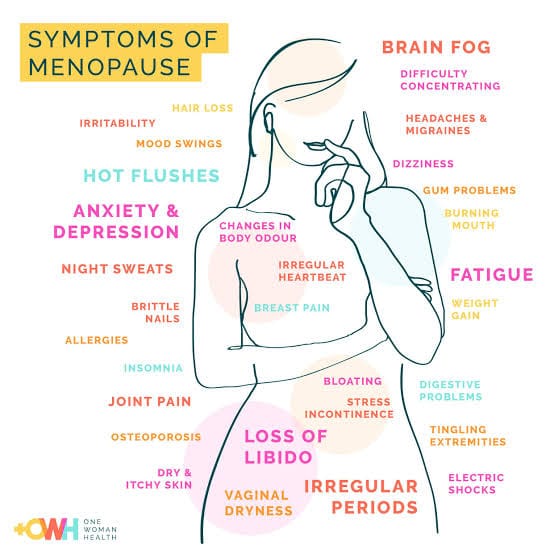

Ah, menopause, the time in a woman’s life when she bids farewell to her reproductive years and says hello to a new era of hot flushes, mood swings, and the occasional existential crisis.
In Summer 2021, myself and two counselling friends were chatting about menopause - three women, all with different experiences; one of us was coming out the other side, one was experiencing signs and symptoms of perimenopause and one was dreading all of it! We’d all noticed, over the preceding few months, menopause seemed to join us quite frequently in our therapy rooms – both in individual work and within our couples’ sessions. We surmised that the Davina McCall documentary about menopause (Sex, Myths and the Menopause, which had aired on Channel 4 a few months earlier) seemed to have really got people talking.
There are no absolutes of what to expect, but you might find yourself competing in the Mood Swing Olympics. One minute youʼre on top of the world, and the next, youʼre crying over burnt toast. Anxiety that could give caffeine jitters a run for its money. Sadness that sneaks up on you from seemingly nowhere, when just minutes before you were ready to tear a strip off someone. Itʼs like your emotions are auditioning for a dramatic soap opera.
Myself and my two friends decided to do a little anecdotal research of our own. We put together a questionnaire and asked our friends, family, contacts in our networks and a few of our clients to take part. Our findings were interesting and, in many ways reiterated what people like Davina McCall had so eloquently explained in her original, and also subsequent, documentaries. Dr Becky Quick, a Clinical Psychologist widely known as The Menopause Psychologist, states that early signs of menopause is far more likely to masquerade as mental health issues. So, probably unsurprisingly, depression, relationship breakdown, self-esteem, self-image and anxiety have all been highlighted in our research. Importantly, these symptoms don’t only affect the woman experiencing them and their intimate relationships, but most report impact to all their relationships – with work colleagues, children, parents, etc.
On the questionnaire, participants told us about some of their experiences or responses from others, when starting to talk about their own experiences of peri/menopause. Below is a small selection:
“You should be able to deal with it.”
“It’s just something women should put up with.”
“It’s not something you should talk about.”
“Lucky you – no periods anymore.”
“Men go bald – what have you got to complain about?’
“Do you think you might have dementia?”
“My first experience of going to the GP was horrible. I left feeling like a nut case, rather than a menopausal woman.”
“Sometimes I felt out of control and I lost any maternal feelings, which made me very sad as my children were still young.”
Over the last few years, menopause information is more widely available and more readily talked about. As therapists, we’re in a privileged position, to hear, not only the impact on the individual experiencing symptoms, but also often listening to partners who are utterly confused by the seaming stranger who has invaded their partner’s body. Healthcare providers can offer various treatments—from hormone therapy to lifestyle changes and mental health support. Help is at hand.
About the Author
